
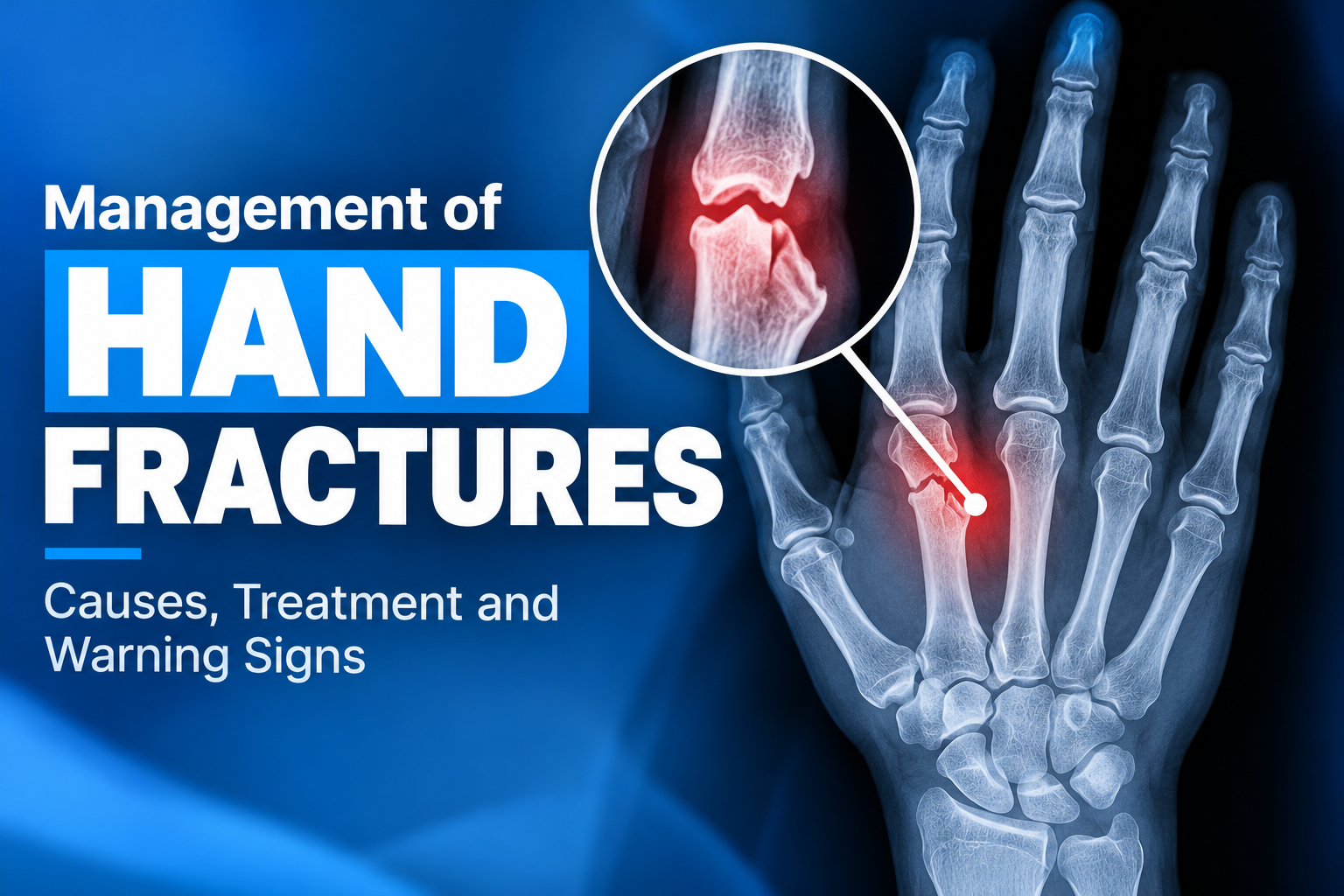
As a Pediatric Orthopaedic surgeon in Thane, X-ray is the commonest imaging modality I use for diagnosing bone and joint problems in children. In view of this, it is not surprising that parents often ask me whether X-rays are safe for their child’s bones and whether the radiation exposure can have any harmful effects on the child.
In this blog, I attempt to answer a few queries and bust a few myths regarding the safety of X-rays in children.
We are exposed to radiation to in our day-to-day life:
Most of us are not aware that we are exposed to a small amount of radiation in our daily lives. This naturally occurring radiation is called “background radiation”. Some common sources of background radiation are as under:
| Banana | 0.0001 mSv |
| Ground radiation | 0.3 mSv |
| Smoking | 0.36 mSv/ cigarette |
| Airline flights | 0.4 mSV/ 10 flights |
| Natural background exposure | 3.5 mSV/ year |
This level of background radiation exposure is not dangerous:
According to a report of the National Council of Radiation Protection and Measurements (NCRP), USA, radiation exposure can be dangerous if the levels of exposure approach 5000 mSv. Thus, it is obvious that the level of background radiation exposure is nowhere near dangerous levels.
So, what about X-rays? How much radiation are we exposed to while obtaining X-rays?
The radiation exposure in standard X-rays is as under:
| X-ray ankle or forearm | 0.001 mSv |
| X-ray Chest | 0.1 mSv |
| X-ray Pelvis | 0.6 mSv |
| X-ray Spine | 1.0 to 1.6 mSV |
Hence, as can be seen from above figures, radiation exposure through X-rays is still way below the danger threshold levels.
So, don’t we need to worry about radiation exposure due to X-rays at all?
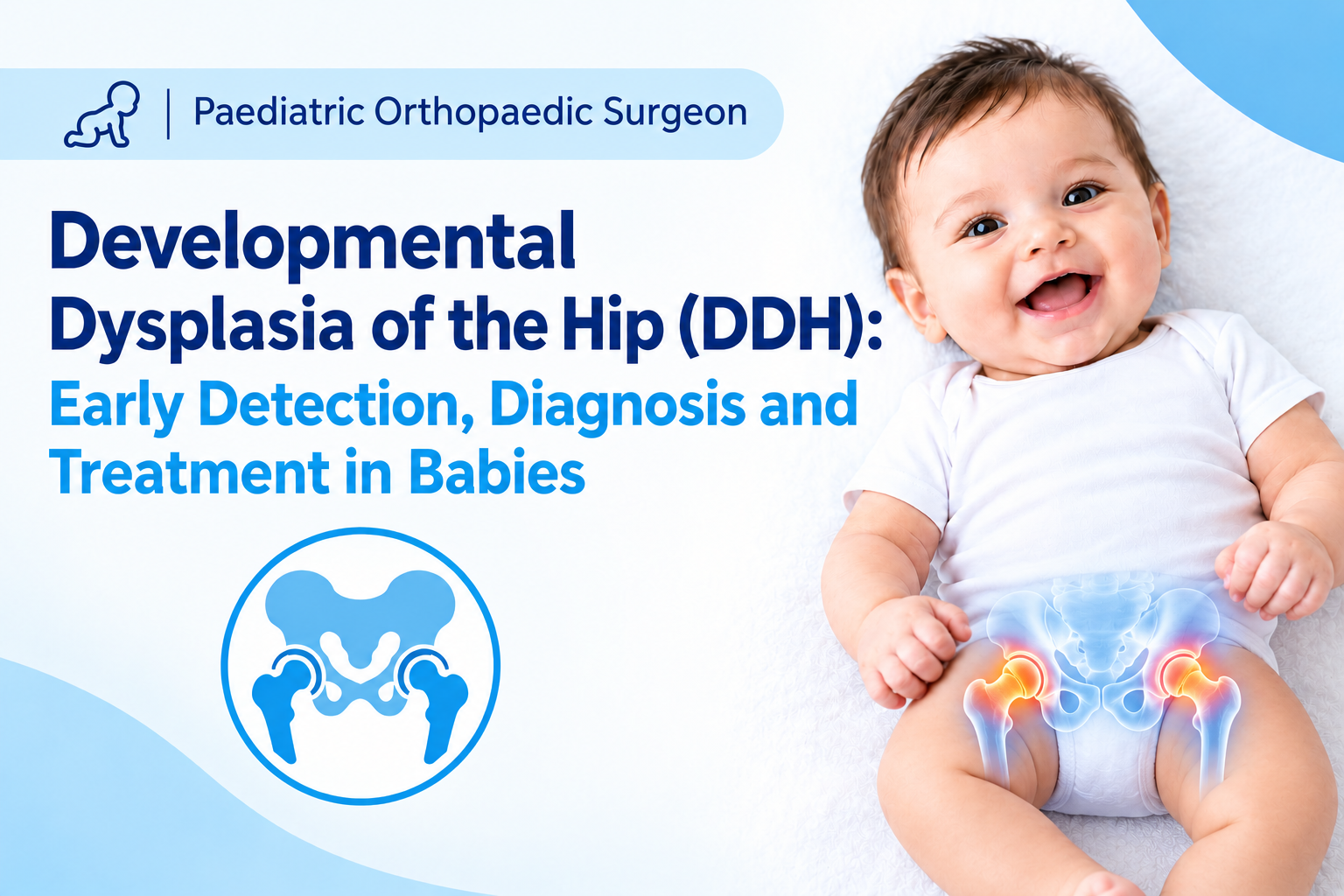
Despite the fact that radiation exposure in isolated X-rays are nowhere the dangerous level, there are a number of childhood conditions, (e.g. Developmental Dysplasia of Hip, scolosis, growth disturbances of varied etiologies), where serial X-rays need to be obtained throughout the growth phase of the child. The cumulative exposure to radiation due to repeated X-rays can be significant in these cases. Hence, it is always safer to adopt a few good practices in order to increase the safety profile of X-rays in children.
What are the safety precautions that can be taken to improve the safety profile of X-rays in children?
Following measures can be taken to facilitate safe X-ray imaging in children:
- Obtaining X-rays only when needed.
- Obtaining X-rays only of parts affected.
- Adopting the ALARA (As Low As Reasonably Possible) principle to minimize the dose of radiation (adjust the settings of X-ray machine accordingly).
- Obtaining special views: e.g. X-rays spine for scoliosis surveillance to be done Postero-Anterior view instead of conventional Antero-Posterior view.
- Using lead shields to protect organs provided they don’t obstruct visualization of the parts of interest. E.g. use gonadal shields while obtaining hip X-rays.
What are the risks of X-rays to unborn child during pregnancy?
Development of various organ systems of the unborn baby takes place at a rapid rate in the first trimester (first three months of pregnancy). In view of this, exposure to X-rays should be avoided by the pregnant female, especially in the first trimester. However, the risk that exposure to X-ray could harm the unborn baby is very small. The risk is higher if multiple abdominal X-rays are performed during pregnancy.
Which investigations should be avoided during childhood?
Radiation exposure in CT scan (10mSv) and bone scan (7 mSv) is significantly higher than X-ray. Hence, unless absolutely indicated, these X-rays should be preferably avoided in children.
So which imaging modalities are absolutely safe?
Ultrasonography (USG) uses sound waves, whereas, Magnetic Resonance Imaging (MRI) uses magnetic waves to generate images. These investigations are absolutely safe even in safe babies and pregnant females.
This article is contributed by Dr Sandeep Vaidya, Paediatric Orthopaedic Surgeon, Pinnacle Orthocentre Hospital, Thane. Dr Vaidya is also available for consultations at BJ Wadia Children’s Hospital, Mumbai; Ajit Scan Centre, Kalyan; and Ace Children’s Hospital, Dombivli. For more information, call 7028859555/ 8879970811/ (022)25419000/ 25429000 OR email drsvvaidya@gmail.com.
0 Comments